Call Us

Call Us

Business Hrs
Mon-Sun: 24 Hours

MBBS in India 2026

Study at world-renowned medical universities that offer high-quality education along with real-life clinical experience. You can receive assistance when applying to medical schools, as well as receive advice throughout your entire MBBS experience in India through EOCL.
Why Is MBBS In India A Good Option

Why Is MBBS In India A Good Option?

If you’re looking for a world-class medical education that provides a lot of clinical training, then pursuing an MBBS degree in India is a fantastic option. Many Indian medical universities have received international recognition and have been recognized by the WHO (World Health Organization) and ECFMG (Educational Commission for Foreign Medical Graduates) and have been included in the World Directory of Medical Schools as being accredited by these organizations, and thus students can apply to take tests to become licensed in most countries, including the USMLE (United States Medical Licensing Exam) and PLAB (Professional and Linguistic Assessment Board).

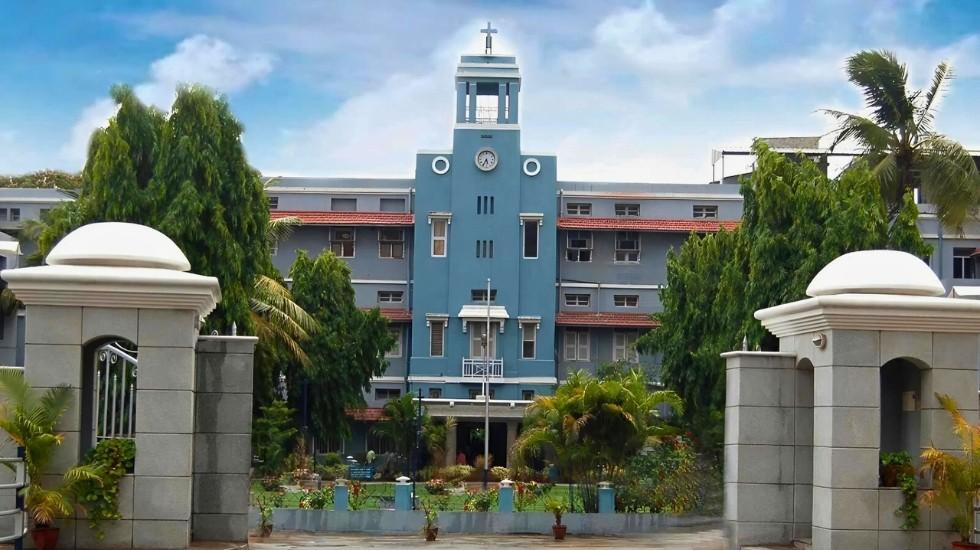
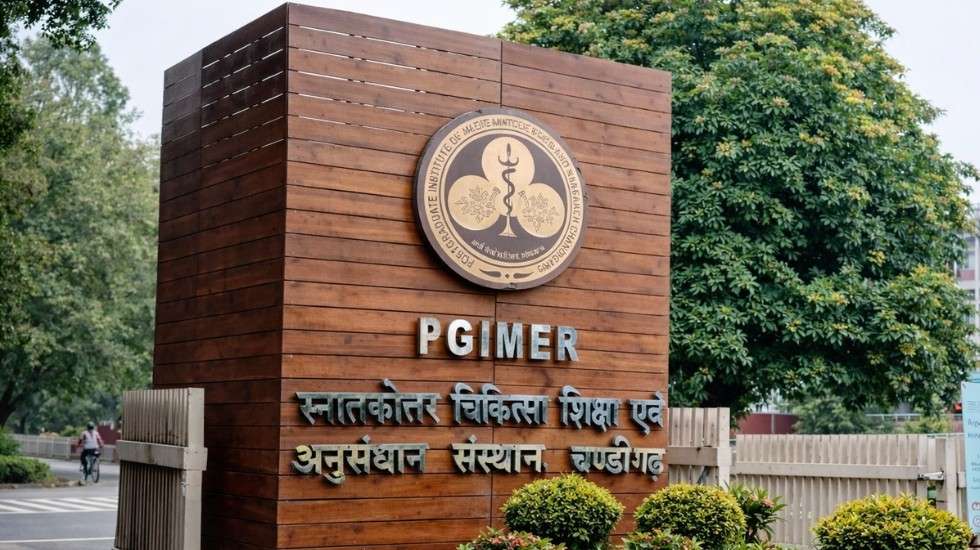
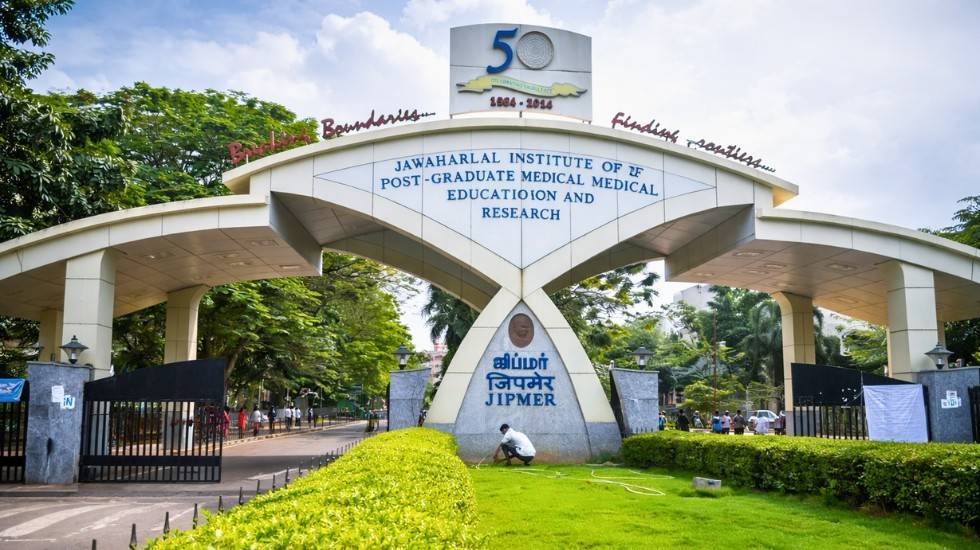
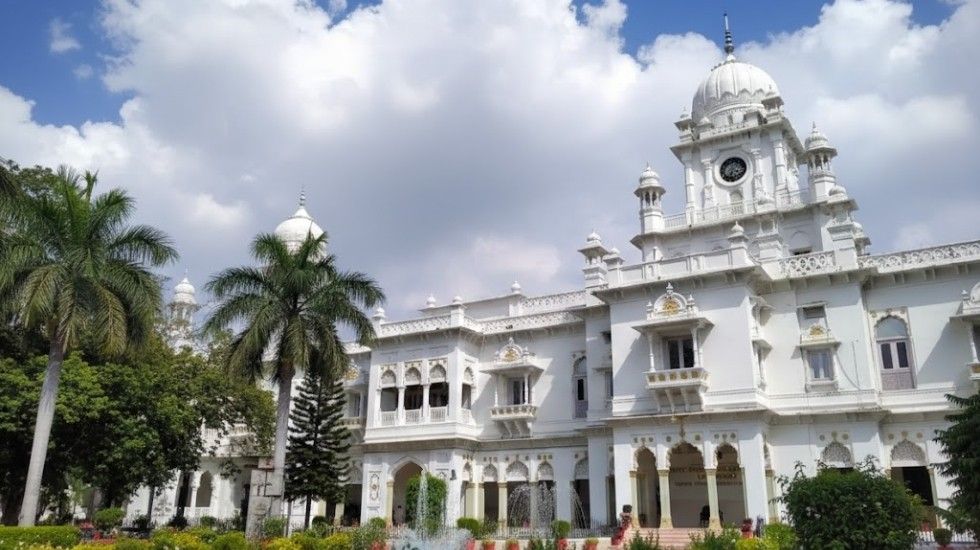
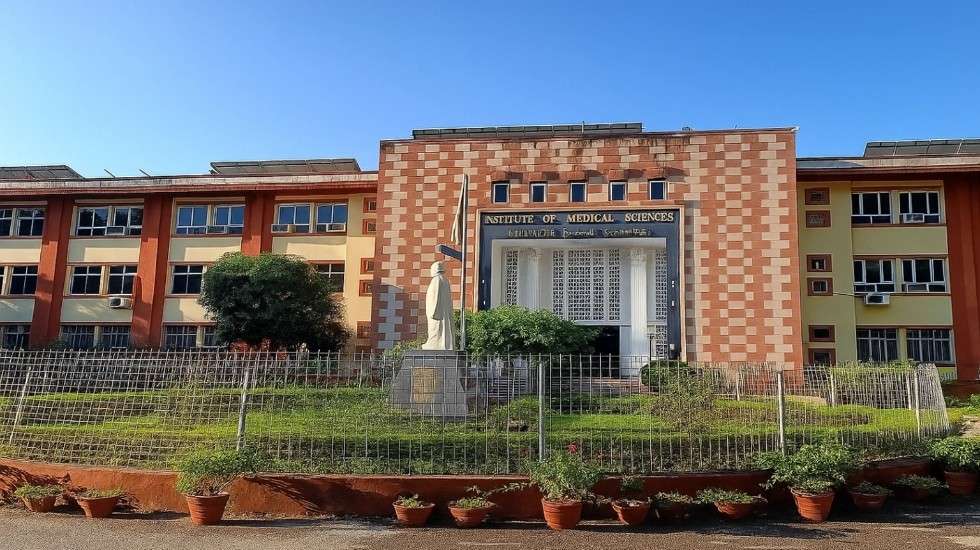
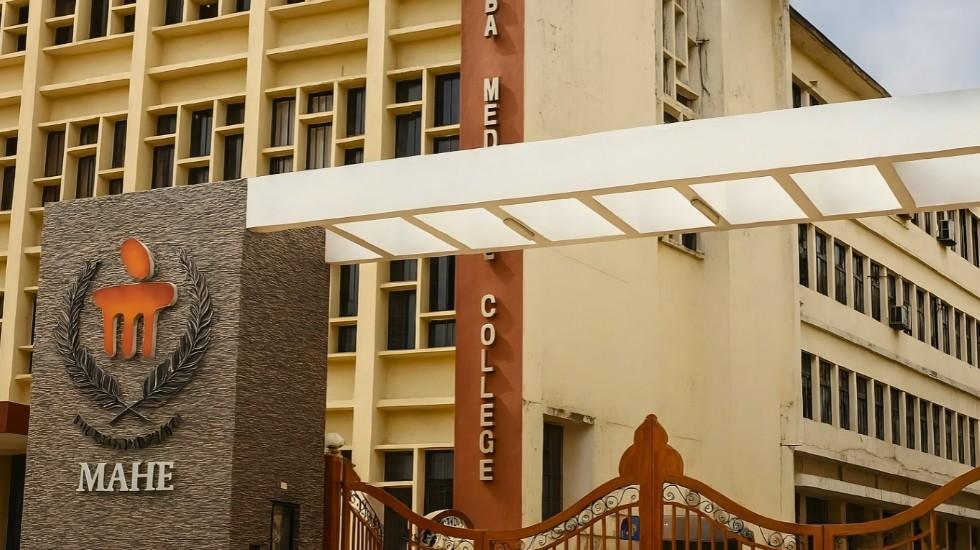
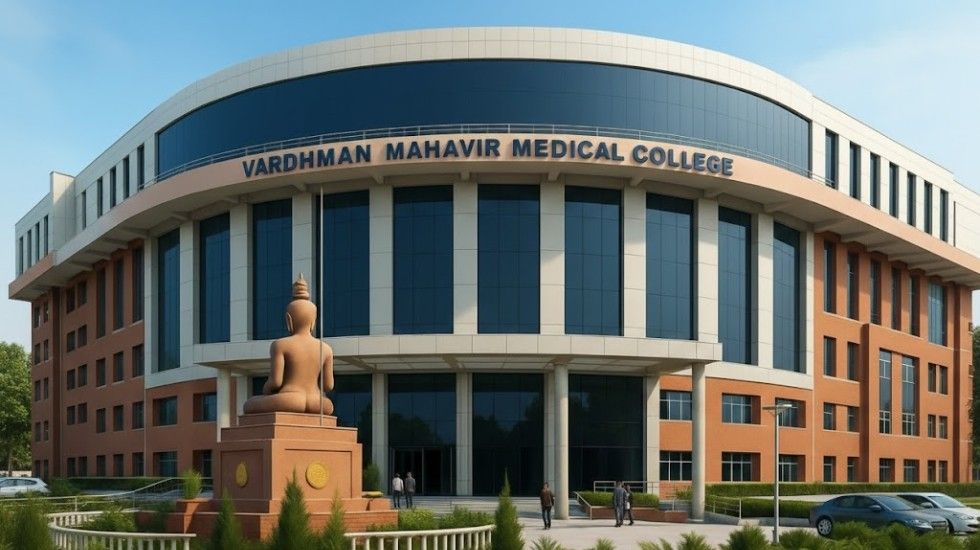
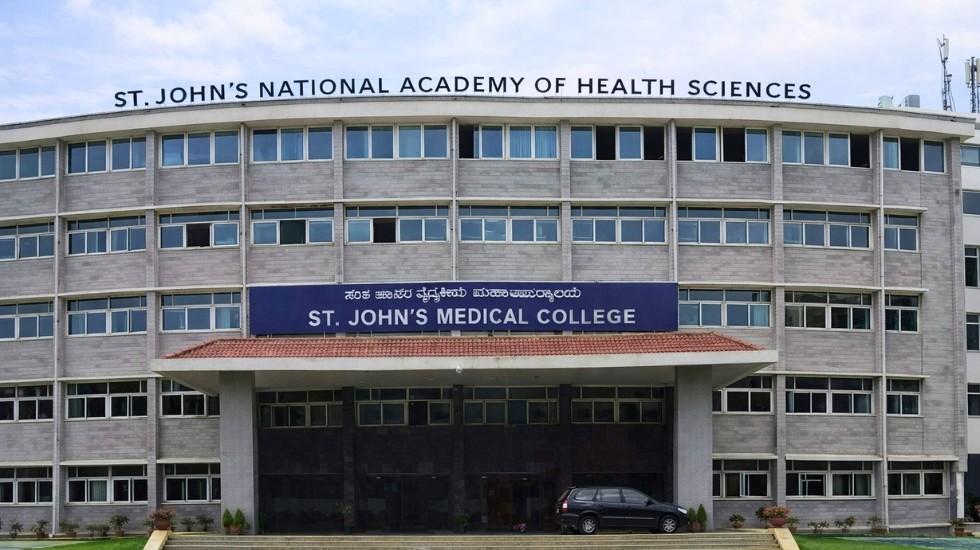
India's Top 10 Medical Institutes

MBBS in India: Eligibility Requirements for 2026

As an international student seeking a quality education in medicine with international recognition, pursuing an MBBS degree in India is one of the most popular options for Indian students. The top five prerequisites that all MBBS candidates should be fully aware of before applying are listed below.
Academic Qualification

Academic Qualification

Those seeking an MBBS in India must complete 10 + 2 from an accredited institution. Subject to eligibility are the following: Physics, Chemistry, and Biology must be taken as required, and be taken in conjunction with English. Individuals in the General Category must have an approximate GPA of 50% to qualify for admission to the program; individuals in the Reserved Category (SC/ST/OBC) must have a regulated GPA of 40% to qualify for admission to the MBBS program.
Qualification for MBBS must be completed before admission.
Particular performance in Biology is of greater importance than any other class subject because Biology forms the basis of study in the medical field.
NEET Standards

NEET Standards

NEET must be taken and passed to gain entrance into a Government or Private MBBS College. Universities in India cannot admit students into the MBBS Program without a valid NEET Score.
The following criteria apply:
  • Only candidates can take the NEET test in the same calendar year as the candidate’s desired entry flag.
  • Candidate entrance qualifications will only be determined by NEET knowledge, score, and the counselling Process.
  • NEET is a requirement for AIQ and State Quota.
  • Without passing NEET, a candidate cannot apply for or obtain legitimate entrance into the MBBS Program in India.
Visa and Passport

Visa and Passport

For Indian MBBS students studying in India, the student does not require a visa if studying in India, but a valid Passport is strongly encouraged and often required to:
  • Pursue future internships abroad.
  • Attend International Conferences or Examinations (i.e., USMLE, PLAB, etc.)
  • Identify and verify.
Health and Fitness

Health and Fitness

Medical school is demanding because of the number of hours worked, the physical stamina required, and the mental strength. For these reasons, students must be fit for medical purposes at the time of admission.
  • Health requirements usually consist of:
  • No severe communicable illnesses.
  • Normal sight and hearing; corrected vision and/or hearing if necessary.
  • A medical professional certifying that the student is physically & mentally up to par.
Some schools will have a physical to complete for students to enroll before final admission.
Other Information

Other Information

In addition to academics and examinations, there are additional qualifications to be at an acceptable level for medical schools.
  • Minimum age: on or before December 31 of the admission year (at least 17 years).
  • Proof of identity (i.e., Aadhaar card, school records, or other).
  • Participation through counseling (either on a National Level, or through the state, or both).
Required documentation to support the above steps must be done promptly so as to allow for a smooth and streamlined admissions process without any delays or interruptions.

MBBS in India: Course Duration

India has an MBBS curriculum that has been accepted around the world as an excellent quality education, emphasizing the theory of medicine and the clinical application of those theories to prepare the graduate to function independently in the community as a competent medical professional.

Length of Course: 5.5 years (4.5 years of learning; 1 year of mandatory internship)

The curriculum is separated into three phases.
Students are taught basic medical sciences (anatomy, physiology, and biochemistry) to establish a foundation for understanding how the human body is built and how the various parts function.
During the second and third years of study, students take courses in pathology, pharmacology, microbiology, and forensic medicine and acquire knowledge relating to the nature of disease processes and the principles involved in the treatment of those disease processes; this period also provides students with initial exposure to clinical practice.
During the last 16 months of the course, students have the opportunity to rotate through the six primary clinical rotations (medicine, surgery, pediatrics, obstetrics and gynecology, orthopedics, ENT, and ophthalmology) to receive substantial clinical exposure and to refine their patient care skills.
Students complete a 12-month rotating internship after graduating from MBBS; this internship is necessary for licensing/registration and allows students to be junior doctors under supervision while gaining real-world experience in various settings.

MBBS in India: Annual Fee Structure for 2026

Institute Name City Type Approx. Annual Tuition Fee (INR)
AIIMS, New Delhi New Delhi Government Free (Nominal charges)
JIPMER, Puducherry Puducherry Government Free (Nominal charges)
PGIMER, Chandigarh Chandigarh Government Free (Nominal charges)
KGMU, Lucknow Lucknow Government ₹50,000 - ₹1,00,000
IMS BHU Varanasi Government ₹15,000 - ₹50,000
VMMC, Delhi New Delhi Government ₹5,000 - ₹25,000
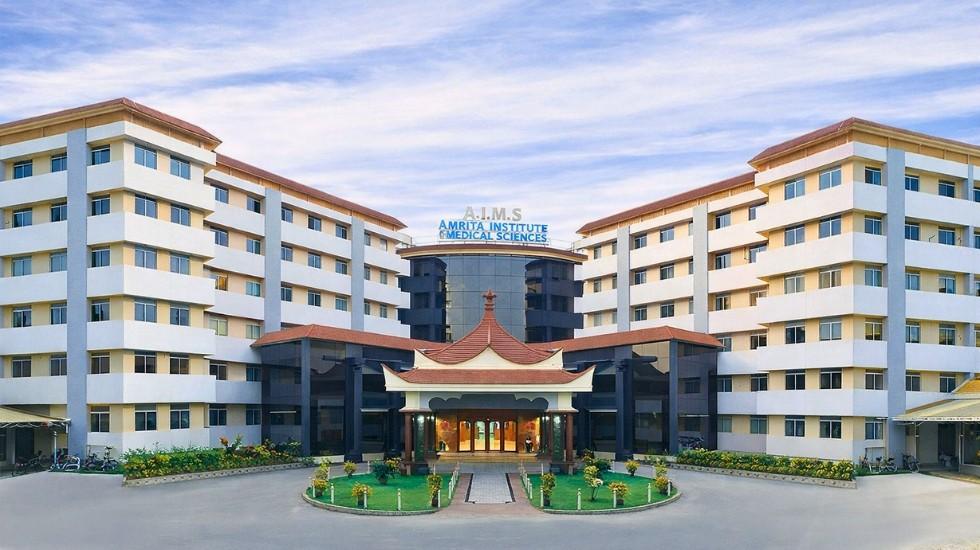
Amrita Institute Kochi Private ₹15,00,000 - ₹18,00,000
Kasturba Medical College Manipal Private ₹18,00,000 - ₹22,00,000
St. John's Medical College Bangalore Private ₹16,00,000 - ₹20,00,000

Note: Fees are approximate and may vary.

MBBS in India: Key Benefits

Medical Degrees From India Are Acknowledged Around The World: World Health Organization, ECFMG, and Global Medical Councils. And this enables Indian graduates of medical programs to practice medicine all over the world.
There Are More Patients Seen In India Than Any Other Developed Nation And So, The Clinical Experience That Medical Students Receive Is Unrivalled.

The national medical commission (nmc) Has A Strongly Established Curriculum With Rigor And Depth To Ensure That Medical Students Gain All Of The Valuable Knowledge They Need As Well As Receiving The Best Training.

Government Medical Schools Are World-Class Institutions That Charge Very Little Tuition. In Some Cases, The World’s Most Prestigious Medical Degree Programs Are Free.
Top Research Institutes Provide Excellent Facilities For Doing Research And The World Of Medicine Is Growing Rapidly, Giving You A Lot Of Opportunities For Publishing Scientific Articles And Advancing Science Through Research And Innovation.
Educational Programs Are Taught In The English Language, So There Are No Language Barriers When Attending Medical School In India. Additionally, The Classes Are Taught In The Cultural Environment That You Are Familiar With.
Medical School Graduates From India Have Graduated From The Best Medical Schools, With Many Of Them Who Have Attended The Best Medical Schools Of The World, And Are Located All Over The World, And They Have Many Mentorship Opportunities.

There Are Many Opportunities For Studying Specialization After Medical School Within India And Very Rigorous Exams To Get Into Specialization Programs Plus There Are Great Opportunities To Attend Specialization Programs Outside Of India.

Most Medical Schools Are Attached To Leading Teaching Hospitals, And Therefore Students Will Be Exposed To Continuous Clinical Experience From The Beginning Of Their Medical Education.
Medical Students Attending Medical School In India Will Find Very Similar Cultural Practices To Their Own. They Will Be Well Prepared To Work As A Global Health Professional.

Dear MBBS aspirants lets ready to fly like a bird, In Abroad With EOCL

Help to Guide Studying MBBS overseas under EOCL’s supervision makes the entire procedure easy, secure, and hassle-free. EOCL supports students at every stage, from choosing an institution to obtaining a visa and assistance with travel.