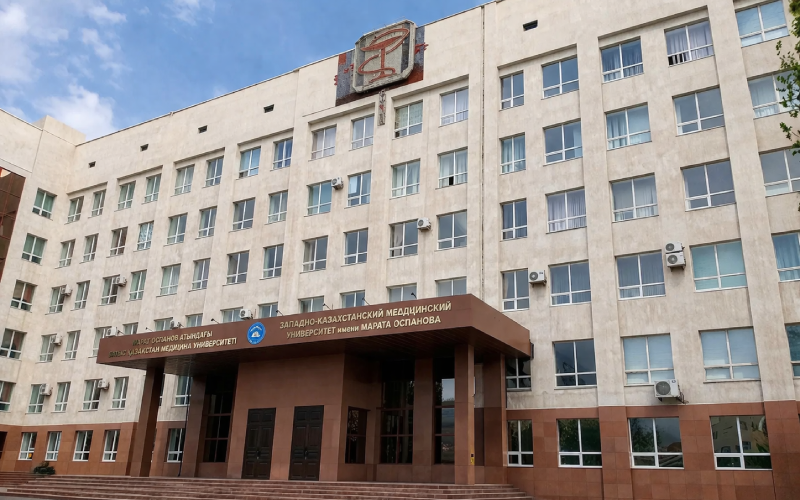
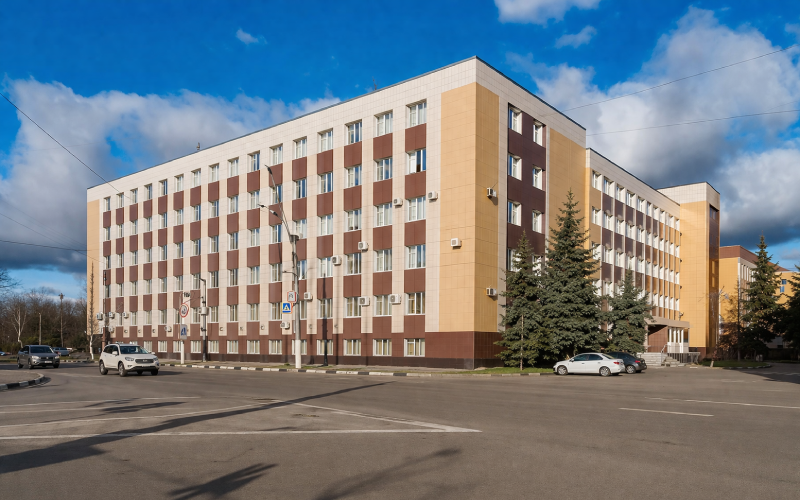
The educational quality and capacity of WKMOMU can be determined by the quality of the faculty members who work at the university. WKMOMU has a large and well-qualified academic staff, who teach in the following academic year: 644 total Faculty members, with 490 full-time and 154 part-time Faculty members. The majority of the Faculty members hold Doctor of Science degrees and/or PhDs (48), Candidates of Science (120), and Master’s Degrees (167). About half of the Faculty members hold academic Titles, which speak to the Faculty members’ level of competence in their field and their commitment to supporting the education of their students.
The Faculty also performs research that contributes to the field of Medical Sciences. Many faculty members have developed scientific schools, which are recognized both domestically and internationally; therefore, the Faculty can provide an education that has a strong theoretical base as well as practical application for its students. As a result of smaller class sizes, the Faculty can provide each student with individual attention, allowing for better comprehension and the development of practical skills.
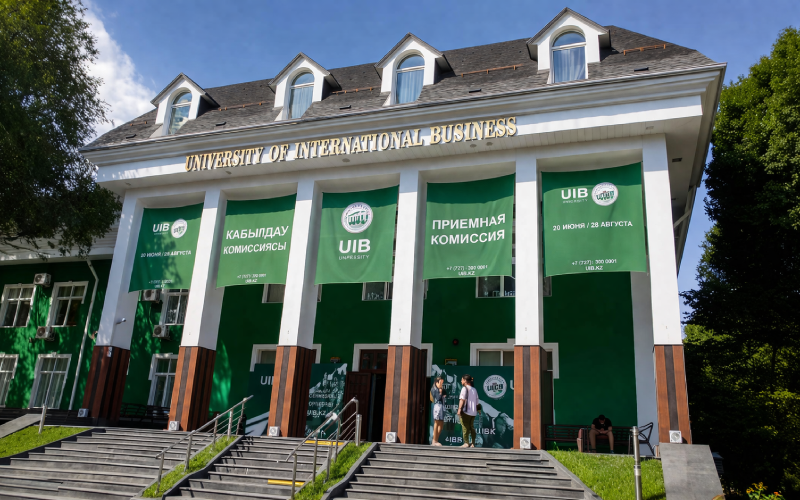
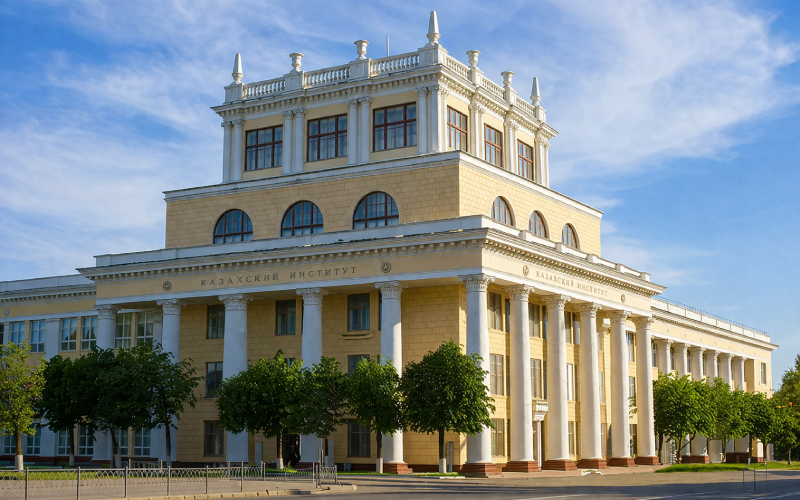
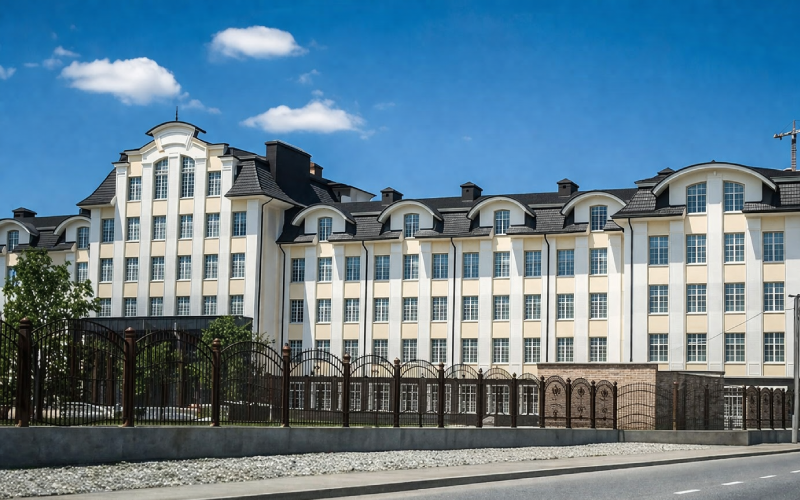
WKMOMU is contributing substantially towards creating a modern educational environment. The university has a campus that consists of 5 educational/laboratory buildings with the latest technology housed in them. These buildings contain 73 classrooms that support different teaching approaches, such as lectures and group work. WKMOMU has also created a number of specialized centers that will improve students’ educational experiences.
One of these centers is the Centre for Practical Skills, which uses simulation training to provide students with the opportunity to practice on mannequins before they treat real patients. This kind of training gives students confidence and competence, leading to their successful entry into the practice of medicine. The Scientific & Practical Centre is composed of multiple research laboratories and a vivarium for biological research. It is here that students can take part in state-of-the-art medical research.
Another center is the Centre for Professional Growth. This center provides further professional education and continuing medical education for physicians. The Centre for Teaching Excellence focuses on enhancing the pedagogy of faculty members and on keeping faculty members updated on current methods of instruction. The Editorial & Publishing Centre produces both academic literature and journals and produces a scientific journal published in English that is indexed by Scopus and Web of Science.
The University of WKMOMU has 26 different sections that offer sports development in over 20 distinct sporting disciplines. In addition, to promote physical fitness among its students, WKMOMU constructed a newly built “Zhastar Arena” sports complex that includes gymnasiums, stadiums with football fields, and tracks with jumping and creating long jump pits. As a result of the modern facilities within the complex, students can use these facilities to enhance their physical education and recreation at WKMOMU.
All hostels at WKMOMU have student-furnished accommodation, i.e., beds with mattresses, study tables, and chairs. In addition, each hostel has internet access, so students can engage in online resources and connect with their families back home. Hostels also provide communal lounges for students to meet and study with each other, etc. Moreover, all hostels are conveniently located within walking distance of the University’s main academic buildings, and, as a result, students can have easy access to their classes.
Finally, one of the most critical aspects of the WKMOMU hostel system from an Indian perspective is that hostels contain a hostel mess. Thus, WKMOMU provides Indian students with a source of already established, familiar meals to assist in the transition to living internationally.
One of WKMOMU’s biggest benefits is that it is much more affordable than a lot of other countries when it comes to obtaining a medical degree. The tuition costs are approximately $4,100 – $4,200 (approximately 3.5 – 3.8 Lakhs) per year for international students. This is significantly less expensive than the expenses associated with studying Medicine in the United States, the United Kingdom, and even in Private Indian Medical Colleges.
Students will also need to consider the costs of living in hostels, which can be approximately $500 USD for the first year of residence. Furthermore, there will be an additional cost of approximately $1,500 (approximately 23,000 INR) at the start of their studies, which covers the administrative or registration fees. Therefore, the total cost of studying at this institution for the entire six-year course of medical education (tuition, accommodation costs, and registration costs) will be around $24,600 (approximately 20 – 21 Lakhs).
The cost of living in Aktobe is generally affordable in comparison to other areas of the world. Meals, on average, can cost anywhere from $100 to $120 per month. Transportation and Living Expenses vary between the city’s various neighbourhoods, but one may expect to pay a little more if they take advantage of the Indian Mess, where multiple Indian restaurants are offering traditional Indian food. Overall, living and studying in Kazakhstan is less expensive than living and studying in many parts of the Western World and provides an alternative, economically attractive option to obtain a medical degree.