

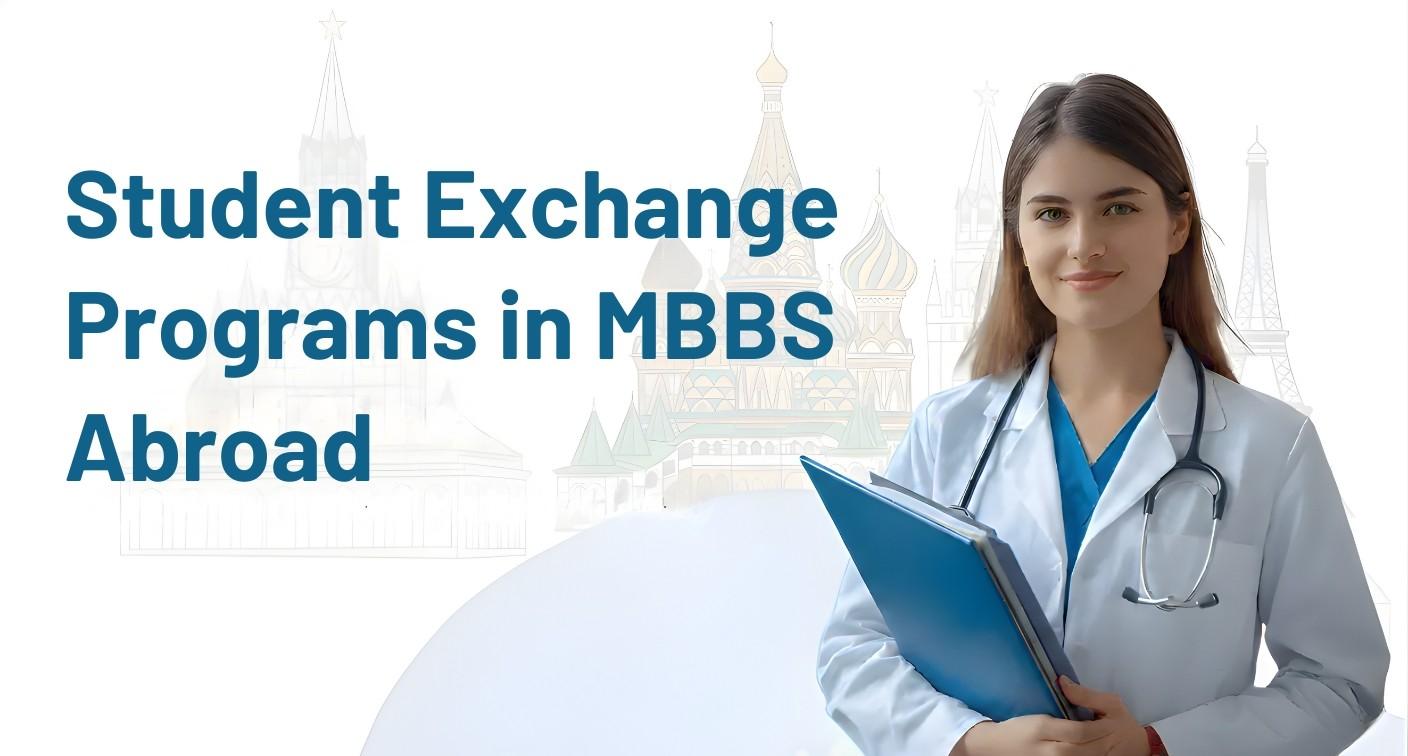

Many aspiring doctors are exploring student exchange programs in MBBS abroad for Indian students 2026 to gain international clinical exposure and enhance their medical expertise in globally recognized institutions.
Navigating Your Options: Types of MBBS Exchange Programs
- Clinical Electives (Clerkships): This is mainly provided to the final-year students as actual hands-on exposure in the hospital. You would form part of a medical team, assist surgeons in operations, and communicate with patients under supervision.
- Research Exchanges: Especially good for those considering academic medicine, these include the opportunity to work in a foreign laboratory on specific scientific projects, often leading to publication credits.
Top International Locations for MBBS Exchange Programs
- Georgia and Russia are currently the top clinical volume destinations. Georgia is a top choice due to its 100% English-medium instruction and high success rates in licensing exams like the FMGE, while Russia offers large government teaching hospitals with a variety of pathologies.
- The United States and the United Kingdom constitute the “Gold Standard” in terms of prestige. Programs at organizations like the Mayo Clinic or NHS Trusts offer exposure to the world’s most cutting-edge medical procedures as well as high-value LORs.
- Germany: It represents one powerhouse of surgical specialties and innovation; for students looking for European exposure, it would be ideal, although usually basic German is required to interact effectively with the patients.
- Poland: This is undoubtedly the latest European favorite for clinical electives. Polish universities, such as Jagiellonian University, offer quality training in medicine with strict EU standards. It is extremely popular due to the full-immersion programs provided by many courses, taught in pure English, and their seamless integration for students seeking European residency.
Roadmap to Success: Application for an MBBS Exchange in 2026
- Phase 1: Research & Planning (12–9 Months Before)
- Identify Your Goals: Are you seeking a Letter of Recommendation for USMLE, or do you need intensive surgical experience in Georgia or Russia?
- Check Eligibility: All programs require you to be within your last year of pursuing MBBS (clinical). Also, check whether your home institution is affiliated with either VSLO (Visiting Student Learning Opportunities) or IFMSA, as this will ease the entire application process for you.
- Phase 2: Creating Your “Document Vault” (9-6 months prior)
- Academic Transcripts: English-translated copies of all your grades from medical school.
- Clinical Prerequisites: Proof of completion of required rotations in Internal Medicine, Surgery, Pediatrics, etc., at home institutions.
- Language Ability: Must have a valid OET, IELTS, and/or TOEFL score. Increasingly, for entry in 2026, the MTU´M prefers the OET because of
- Immunization Records: This is usually the largest barrier. You have to turn in titers (blood test results) for Hepatitis B, MMR, Varicella, as well as, in some cases, a current TB clearance (PPD/QuantiFERON-Gold).
- Phase 3: The Application Push (6-4 Months Before)
- Personal Statement: To write a strong “Why,” talk about your personal experiences. Keep your “Why” positive and enthusiastic. Focus on how this particular international opportunity will help you become a better doctor.
- Dean’s Letter (Letter of Good Standing): An official university document that confirms your good standing as a university student.
- Insurance: You will need to buy medical malpractice/ liability insurance (typically $1 to 3 million coverage) and international health.
- Phase 4: Final Logistics & Visa (3 Months Before)
You are expected to apply for a visa (B1 visa for the USA or Standard Visitor visa for the UK) as soon as you receive your Acceptance Letter. Your passport should always be valid for at least six to twelve months before the date you plan to return.
Education Orbit Counseling and Link
Education Orbit Counseling & Link is known for admission in MBBS abroad and free counseling services for those students who want to get an MBBS education from abroad. Also, we will manage the whole admission process with utmost sincerity. Students can get an MBBS degree from any of the prestigious medical colleges recognized by NMC in the world. Call today.