

Call Us
Call Us
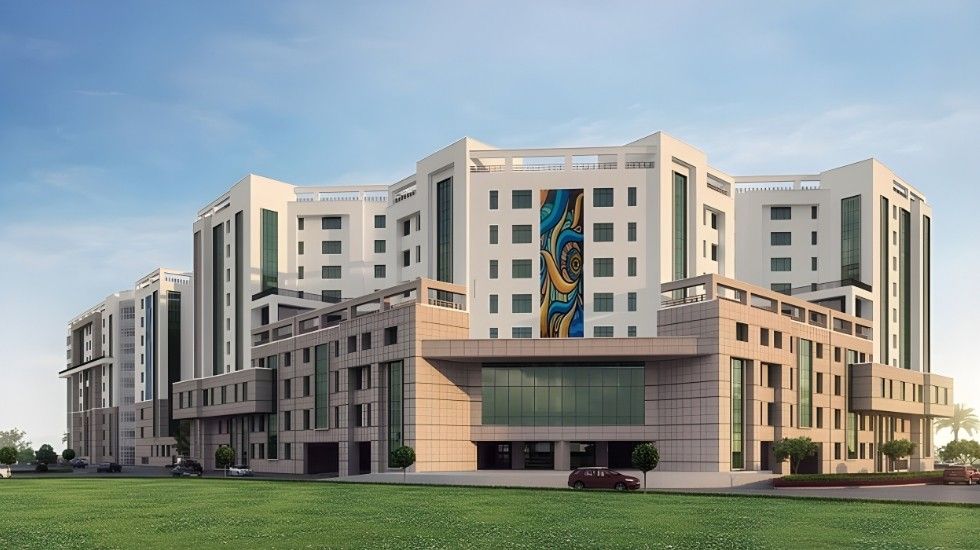
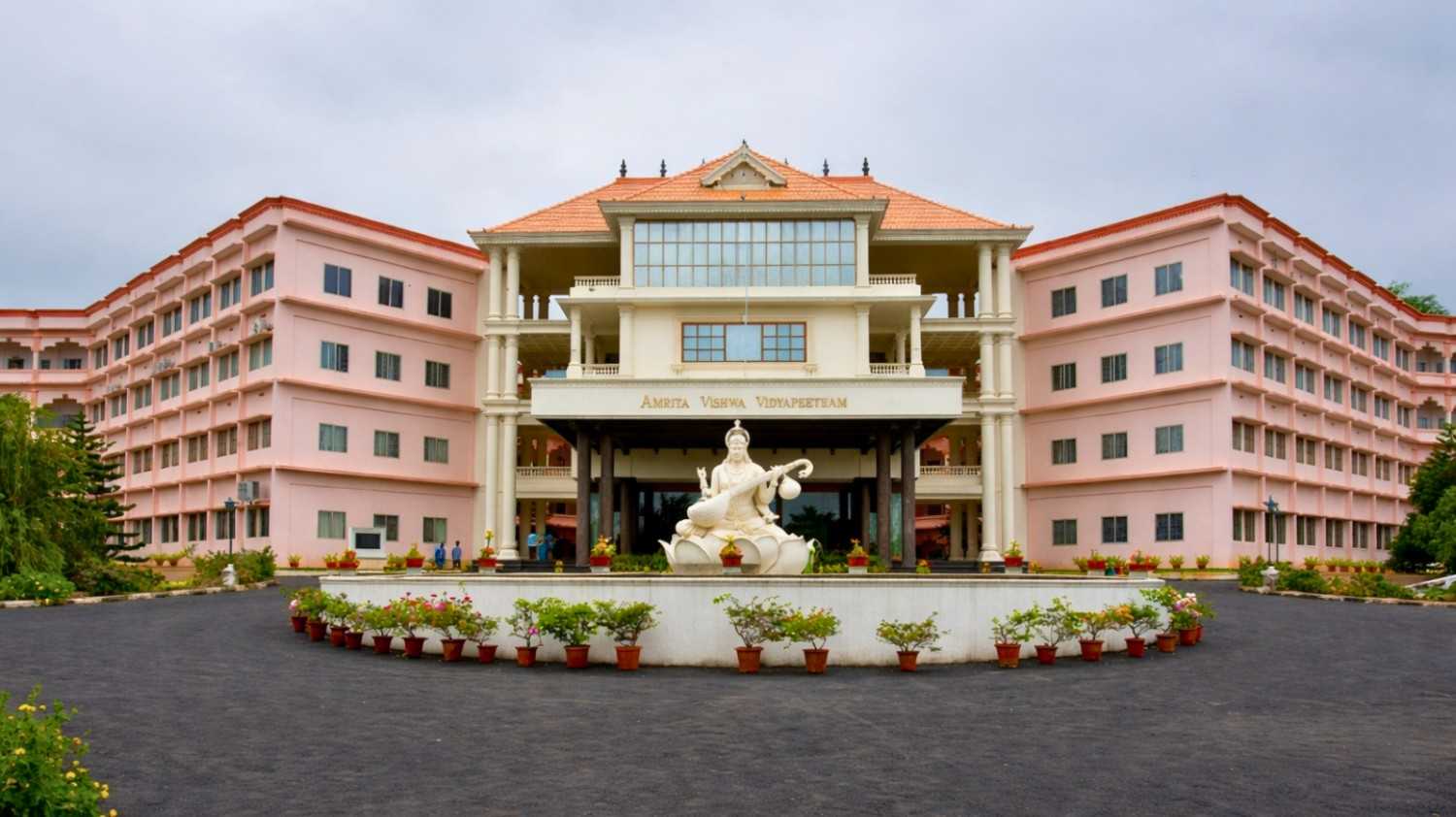
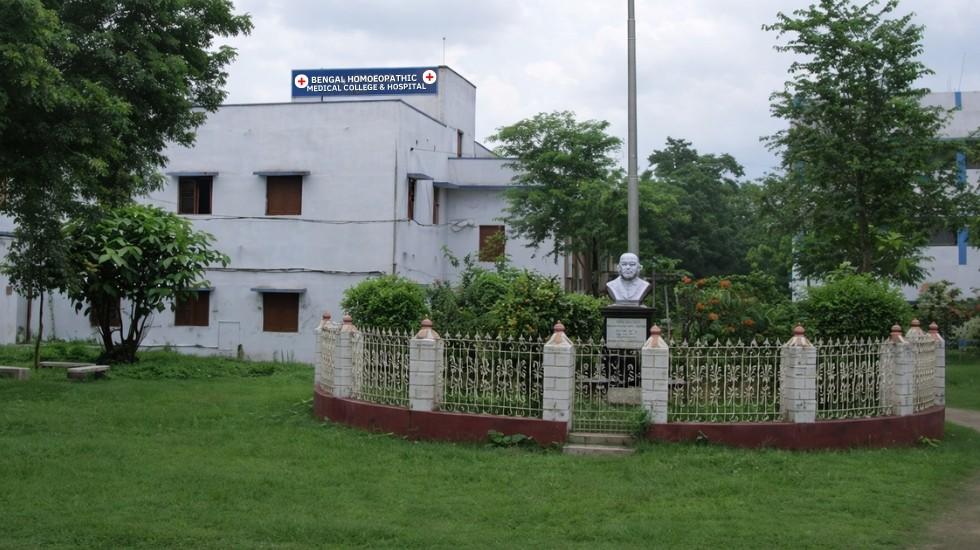
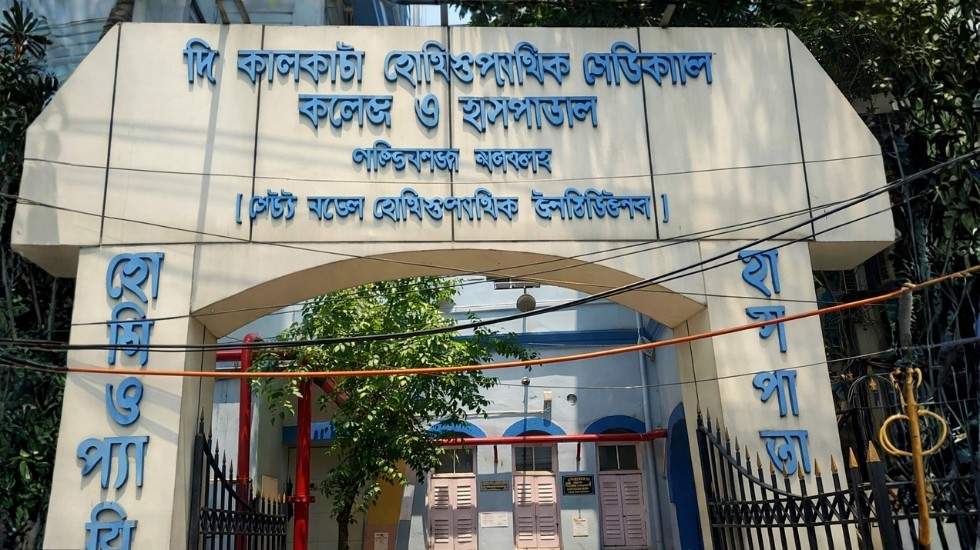
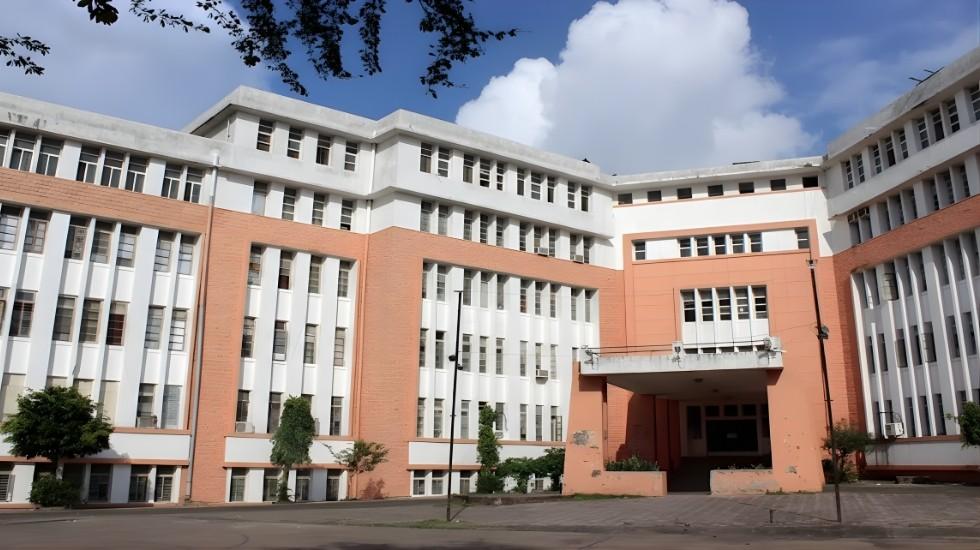
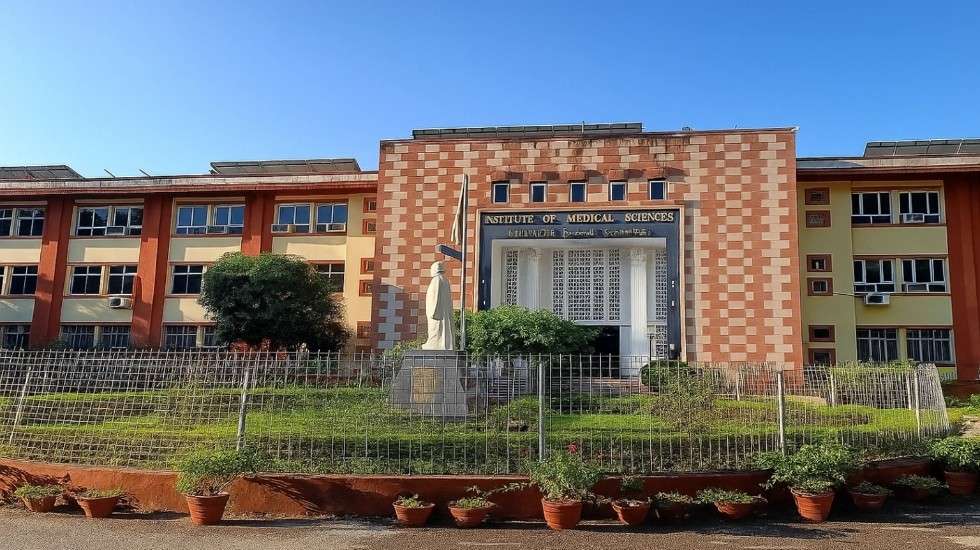
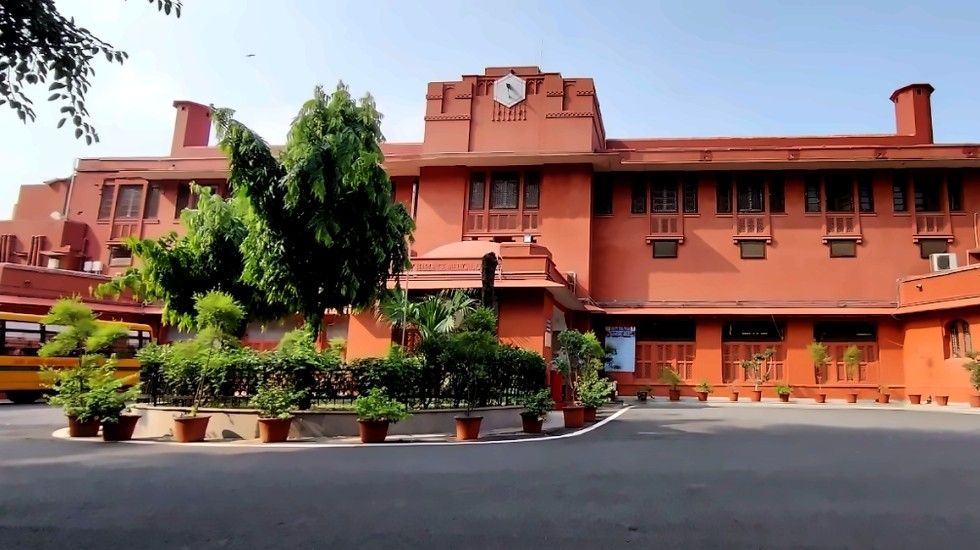
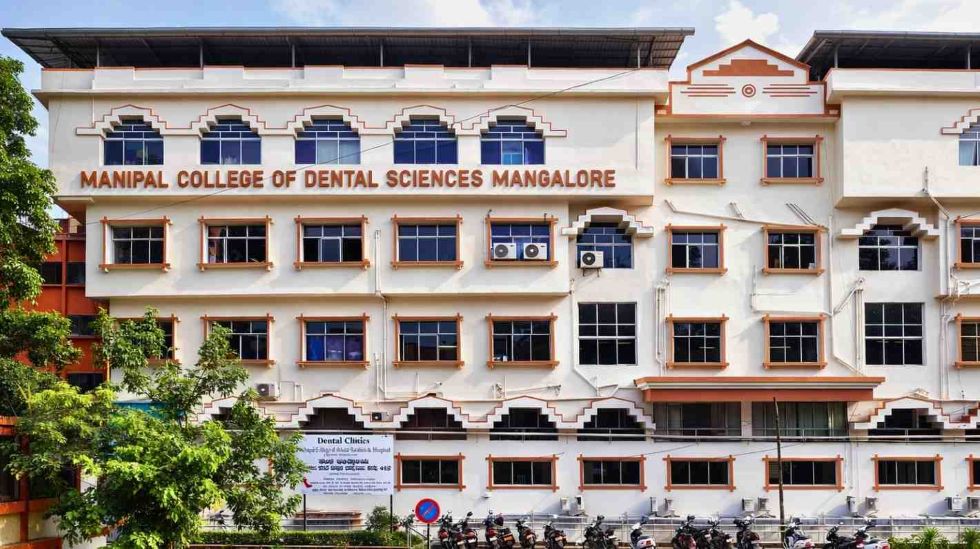
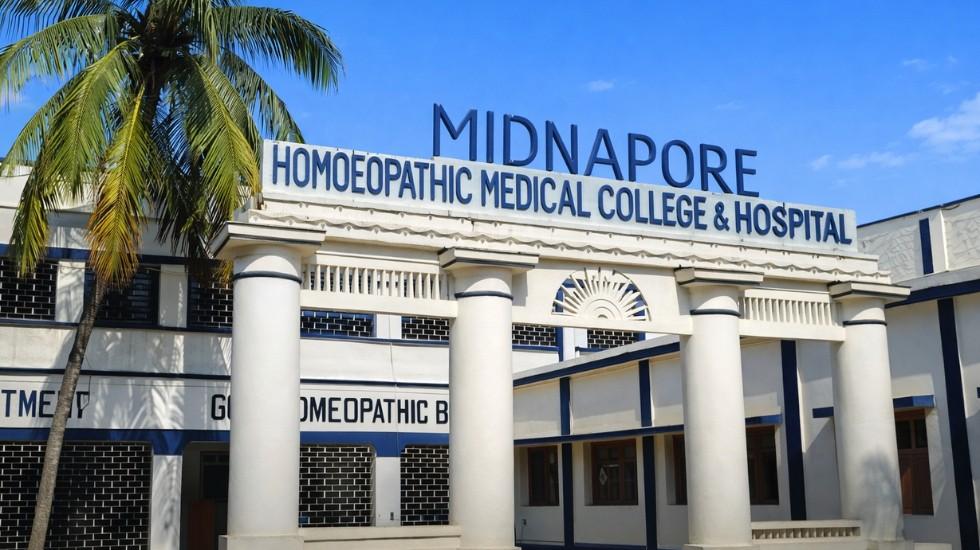
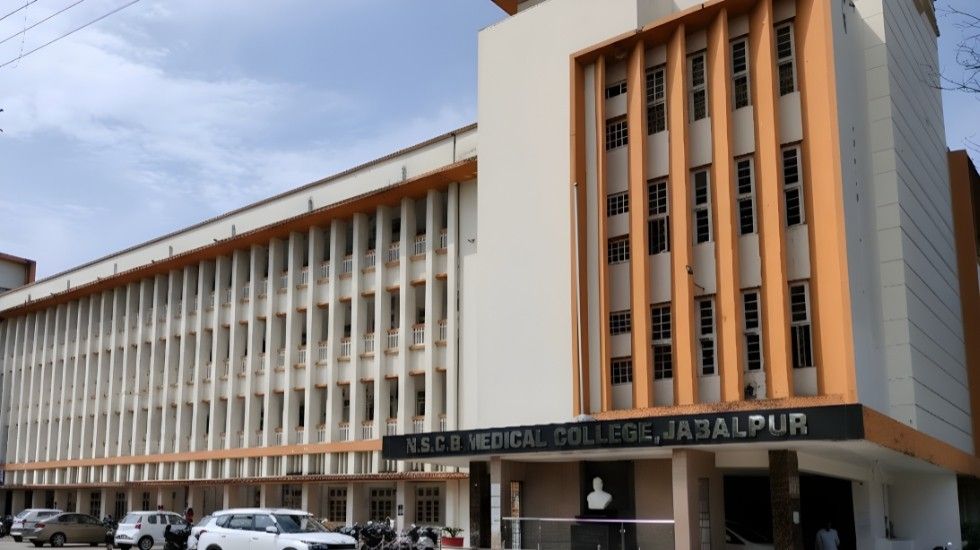
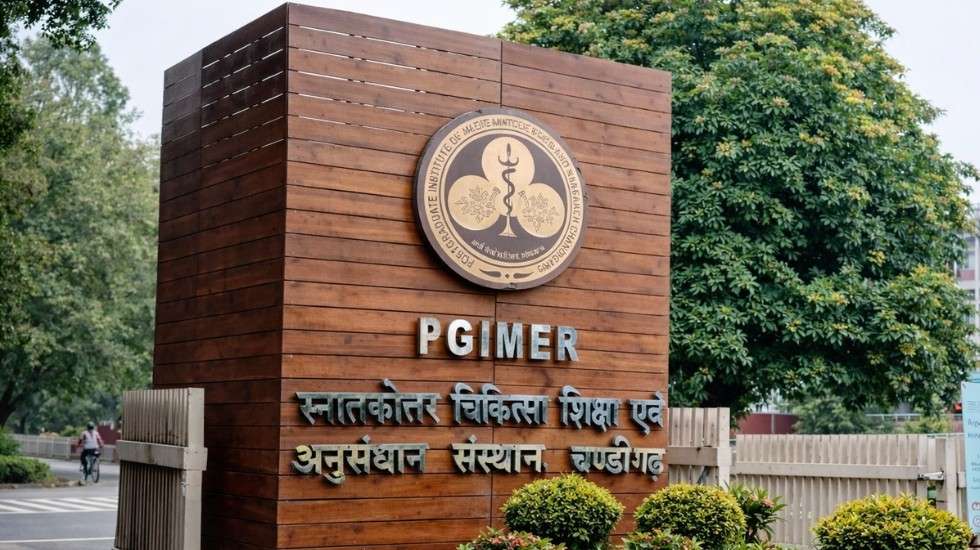
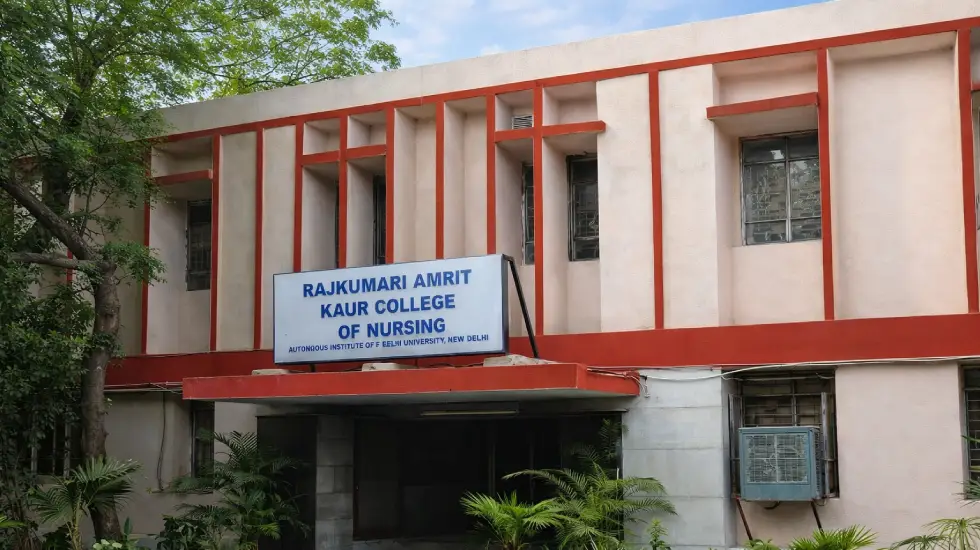
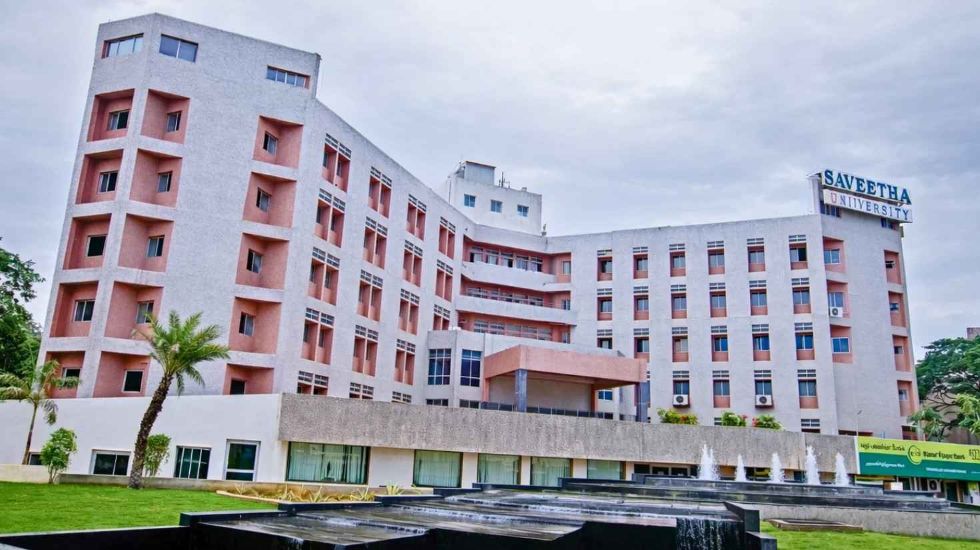
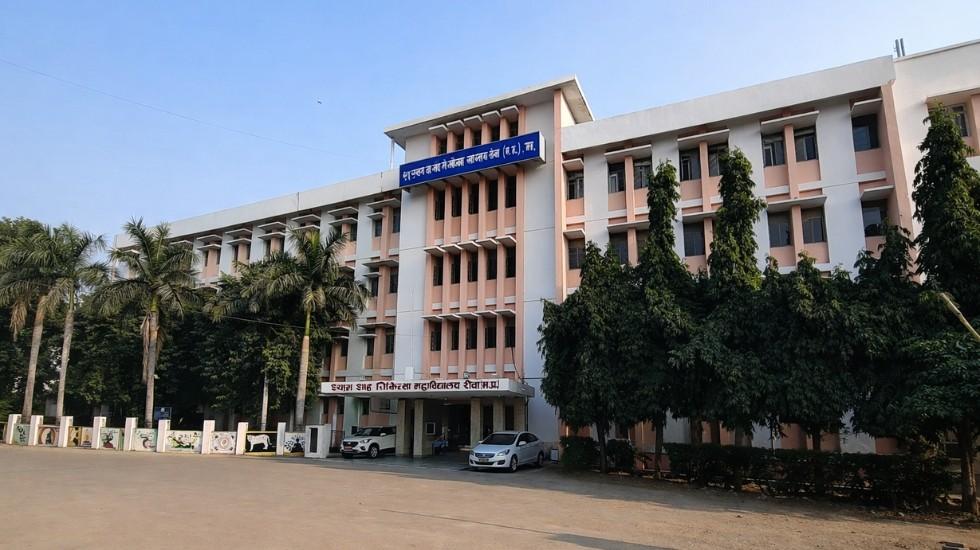
Graduates of medical schools in India are eligible to take the NEET PG Exam to earn their postgraduate credentials, which enable them to work anywhere in India’s extensive healthcare system, once they pass the NEET PG Exam and complete any other requirements that may apply for specialty training. Graduates of Indian medical schools are also eligible to pursue super-specialization training programs and become involved in research activities. Graduates of Indian medical faculties may choose to specialize in high-demand areas such as cardiology, neurology, orthopedic surgery, pediatrics, oncology, or emergency medicine.
With an education tradition established over thousands of years, India possesses one of the world’s largest systems for post-secondary education. The vastness of India’s geographical expanse is well reflected in the considerable range of weather conditions throughout the country (i.e., from the frigid temperatures of the Himalayas to the tropical heat of India).
By learning the various languages found within their regional areas, physicians can create better rapport with patients while providing clinical care. There are many reasons, in addition to those mentioned above, that make Indian medical schools the destination of choice for many aspiring doctors, such as the fact that they charge much lower tuition fees in government institutions than private institutions, even though many government-sponsored institutions have earned the NMC’s stamp of approval; many of the foreign-based medical degrees offered in Indian medical colleges are considered valid in other countries; and the infrastructure supporting the education of health care professionals that exists in India’s cities and towns is very strong. The total length of time a student will spend earning a degree from a medical school in India equals 5.5 years—four and a half years are devoted to fundamental education, and the remaining year will be spent in a mandatory, rotating residency (internship). There is no requirement to submit an IELTS or TOEFL score for admission to an Indian medical school.
Pursuing an MBBS degree in India (particularly in government medical colleges) costs much less than studying abroad. Therefore, MBBS graduates from India can achieve their goal of becoming a doctor with less financial impact than if they had studied overseas. Medical qualifications from NMC-approved institutions in India are accepted throughout the world, especially in those nations that accept graduates from WHO-accredited institutions. Additionally, graduates use their Indian medical degree to practice in the country of their choice after passing the respective licensure examinations (i.e., USMLE, PLAB, AMC).
Indian medical schools also expose students to diverse patient populations with unique diagnoses. Students will encounter a variety of tropical and infectious diseases and have the opportunity to treat various lifestyle diseases and rare cases. No other country provides such a perfect blend of accessible clinical education, diversity of patients, and diversity in the student body as that which exists in Indian medical colleges. Graduating from an Indian Medical College (IMC) prepares graduates to provide healthcare for diverse populations.
Indian students who want to pursue an MBBS degree need to know the eligibility criteria for MBBS in India. But one thing is to know that the MBBS eligibility criteria are the same for most of the universities and countries. Let us know about the eligibility criteria of the Indian Medical University. First of all is the age criterion; every student should be at least 17 years of age. Age less than that is not accepted. The students who are applying need at least 50 percent marks in 10th and 12th classes, and that too in Physics, Chemistry, and Biology subjects. This score percentage is for general candidates; students who belong to SC/ST/OBC need 40 percent marks.
NEET UG Admission Card and Result Slip
In India, the total number of years required to complete an MBBS degree is 5.5 years (66 months, to be precise). The course structure consists of:
Pursuing MBBS in India is the most feasible and beneficial path for Indian students attending Indian universities. Government-owned medical colleges do not charge capitation/development fees and place a priority on admitting qualified applicants by using only NEET exam scores for admission to school, regardless of race or ethnic background. In India, there are many skilled student doctors who would have chosen to study outside of India at a much higher cost, but instead chose to study in India because they understand that they can receive an equivalent-quality education at a fraction of the cost.
Annual tuition for the majority of top government-run medical institutions is typically below Rs. 50,000/- (approximately $800), making them accessible to students from all walks of life. Private colleges in India are more costly than those run by the government but are less expensive than studying MBBS in the USA, UK, Australia, or Russia/China. Additionally, since English is the medium of instruction, medical students can easily access all worldwide medical-related reading materials, journal articles, and clinical practice guidelines.
WhatsApp us

Enter your basic information and let our knowledgeable counselors help you choose the ideal university!
Get Started
Before we can proceed, we need the basic details.